From the villages themselves.

These are not case studies. These are real places, real families, and real change — told as honestly as we can.

“We do not help communities. We become part of them.”
Nine years of fieldwork has taught us one thing — real change happens slowly, intimately, and only when the community trusts you. These village stories are our progress report. They are also our accountability.

Stories from the field

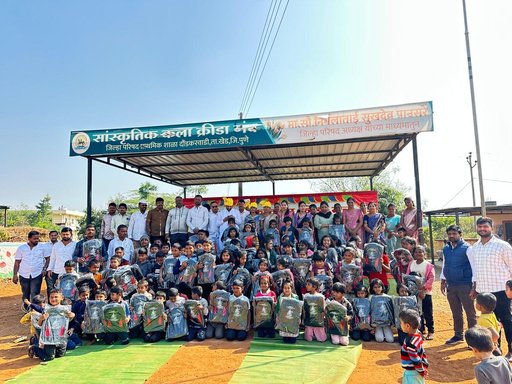
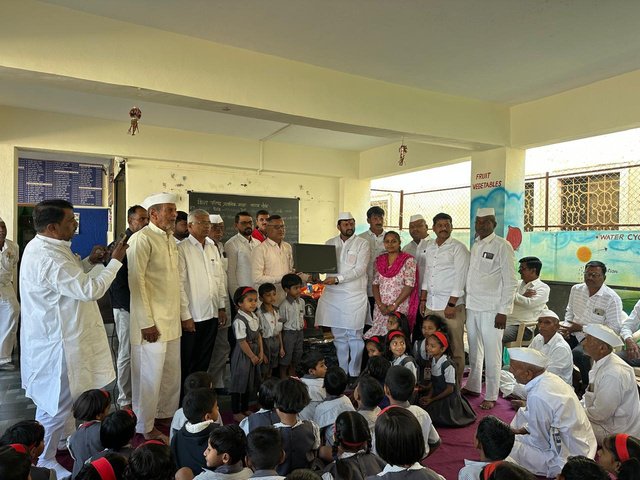
School bag distribution in Kanersar
Education Kanersar 2019

“The school bags changed what the children believed was possible”

Kanersar has one Zilla Parishad school serving 180 students. For families earning under ₹8,000 per month, school bags and supplies represent a month’s discretionary budget. The foundation’s annual distribution here now spans three years — and teachers report consistent improvement in attendance since the program began. Children who receive bags on day one of the academic year, they say, are less likely to drop out by March.

180+ students annually
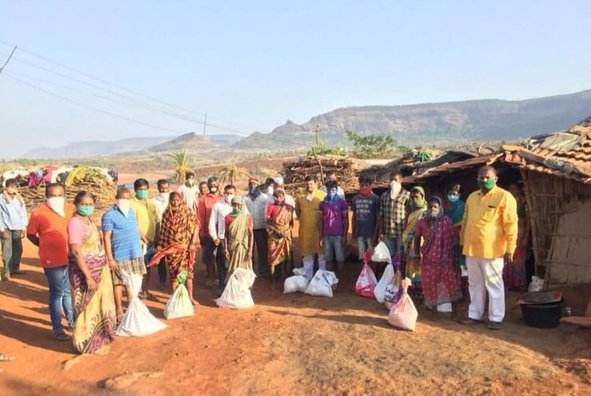
Grocery kit distribution in Retawadi
Crisis Relief Retawadi 2020

“Three weeks without income, five mouths to feed”

The COVID lockdown hit Retawadi the same week the rabi harvest was due. With trucks banned from moving grain, farmers watched their crop sit in fields. The foundation reached Retawadi on the 11th day of the lockdown with 85 grocery kits — basic dal, rice, oil, and salt — enough for two weeks. For many families, this was the bridge between hunger and survival.

85 families in crisis
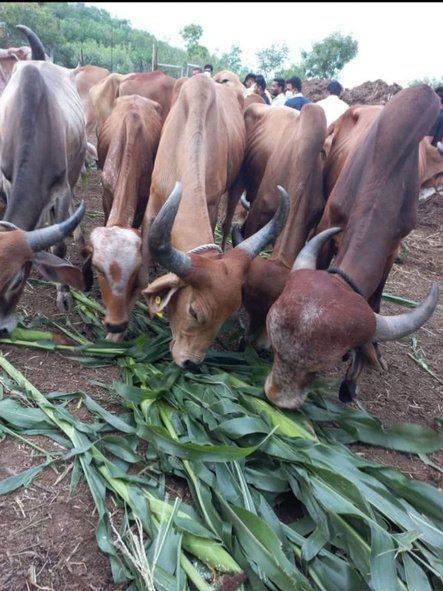
Cattle camp in Wadgaon Sopan
Animal Welfare Wadgaon Sopan 2023

“A cattle camp in a drought year is not charity — it is economic survival”

The summer of 2023 was particularly brutal for livestock in Khed Taluka. Fodder prices tripled; water sources dried up a month earlier than usual. Wadgaon Sopan’s farmers — most with 2–4 cattle each — faced the prospect of distress-selling their animals. The foundation ran three fodder distribution camps and one veterinary visit in four months. Sixty cattle recovered from foot-and-mouth; forty were saved from premature sale.

60+ cattle treated
Women empowerment training in Nimgaon
Women Nimgaon (Khed) 2021

“Sixteen women who learned to stitch built their own Bachat Gat”

The Mahila Asmita Bhavan training in Nimgaon started with 16 women who wanted to learn tailoring. Within eight months, twelve had taken small orders from neighbouring villages. By year two, they had collectively contributed enough to form a registered Bachat Gat — a women’s savings group — with a corpus of ₹48,000. What began as a skill class became a financial institution in miniature.

16 women trained, 1 Bachat Gat formed
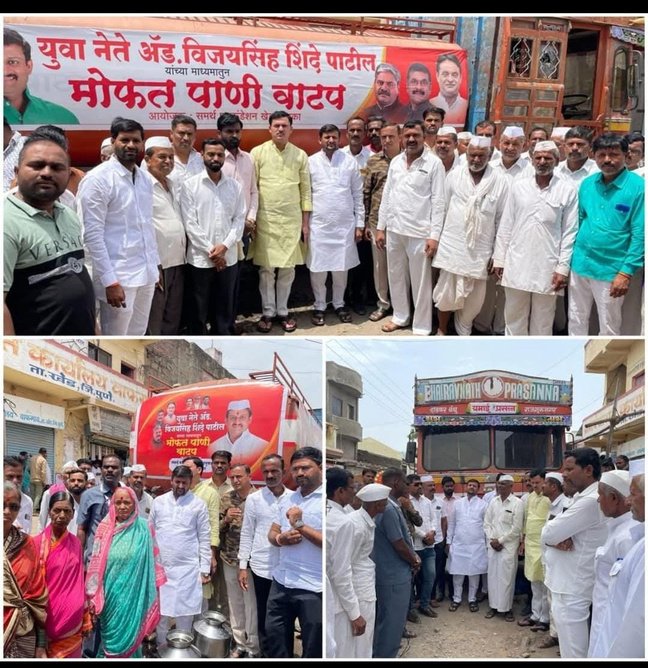
Water tanker and clean water in Dondkarwadi
Environment Dondkarwadi 2021

“Clean water arrived before the monsoon. And stayed.”

Dondkarwadi had a functioning borewell, but no treatment plant — meaning the water was technically available but biologically unsafe. After two children were hospitalised with waterborne illness in 2020, the sarpanch formally approached the foundation. An RO filter plant was installed in March 2021. Since then, waterborne illness cases at the primary health sub-centre have dropped to near zero during the dry season.

800+ residents served, waterborne illness near zero
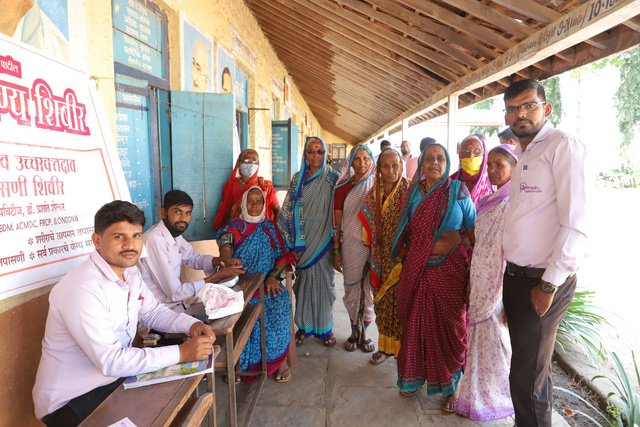
Arogya Sewika with tablet in Ghogari
Healthcare Ghogari 2024

“Arogya Sewika Savita checks in every Tuesday”

Savita Mane is one of 50 Arogya Sewikas trained and deployed by the foundation in 2024. Armed with a tablet, a basic diagnostic kit, and telemedicine connectivity to a doctor in Pune, she covers 47 households in Ghogari every week. In her first six months, she flagged 3 cases of high blood pressure that were previously undiagnosed, referred 1 woman for gestational diabetes care, and vaccinated 22 children who had missed immunisation.

47 households, 3 BP cases flagged

No stories match this filter yet. More coming soon.

“Change in a village is quiet. You notice it in the school attendance register, in the weight of a malnourished child, in whether a woman earns her own money.”
Adv. Vijaysinh Shinde Patil, Founder — Samarth Foundation

Every village has more to tell

Twenty-one villages. Nine years. These six are just the stories we could fit on a page.